How Often Do Implant Crowns Need To Be Replaced?
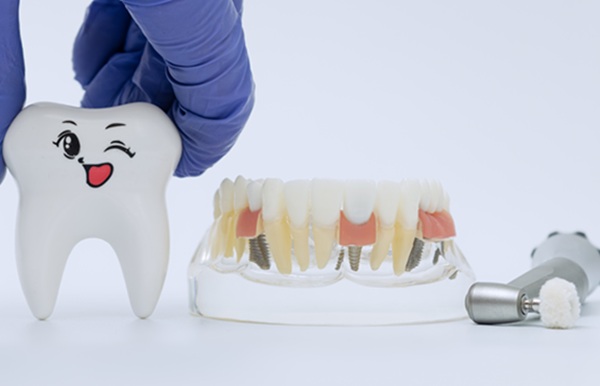
Implant crowns can restore the appearance and function of missing teeth, but like natural teeth and other restorations, they may eventually need replacement. Their lifespan depends on the material, daily habits, bite forces, and oral hygiene. With proper care, many patients can enjoy their restorations for years before replacement becomes necessary. Understanding what affects longevity can help patients protect their smiles and recognize when a dentist should evaluate the crown.
How long implant crowns usually last
Implant crowns often last many years when patients maintain good oral hygiene and attend regular dental visits. However, the crown itself does not last forever, even when the dental implant beneath it remains healthy and stable. Normal chewing, grinding, and everyday wear can gradually change the restoration.
The implant post may remain in the jaw for much longer than the visible crown. This difference matters because replacing implant crowns does not always mean replacing the entire implant. In many cases, a dentist can remove the worn or damaged crown and attach a new restoration to the existing implant.
What affects the lifespan of an implant crown
Several factors can influence how long a restoration remains comfortable and attractive. Patients who understand these factors may have more control over the longevity of their dental work.
Common influences include:
- The crown material and quality of the restoration
- Teeth grinding or clenching
- Chewing ice or other very hard objects
- Oral hygiene habits
- Bite alignment
- The location of the implant in the mouth
Back teeth often experience stronger chewing forces than front teeth. As a result, implant crowns in these areas may experience more wear over time.
Signs an implant crown may need replacement
A crown does not always need to be replaced simply because it reaches a certain age. Instead, dentists look at the condition of the restoration and how well it continues to function. Some crowns may last longer than expected, while others may need earlier attention.
Patients should schedule an evaluation if the crown feels loose, develops a visible crack, becomes uncomfortable during chewing, or no longer matches the bite properly. Changes around the gumline or repeated food trapping near the restoration may also deserve attention. A dentist can determine whether the problem involves the crown, the connecting component, or the implant itself.
How to help implant crowns last longer
Daily care can help reduce unnecessary wear and protect the tissues around the implant. Patients should brush twice a day, clean around the crown carefully, and use floss or another cleaning tool recommended by the dentist.
Those who grind their teeth may benefit from a custom nightguard. Patients should also avoid using implant crowns to bite fingernails, open packages, or chew ice. These habits can place excessive stress on the restoration and shorten its lifespan.
Keep implant crowns in good condition
Implant crowns can provide years of reliable function, but they still require monitoring and routine care. Their replacement timeline depends on wear, oral hygiene, bite forces, and the overall condition of the restoration. Regular dental visits allow the dentist to check the crown, surrounding gums, and implant before minor issues become larger problems.
Request an appointment here: https://3rdavedentistry.com, or call 3rd Avenue Complete Family Dental at (619) 677-6133 to schedule an appointment at our San Diego office.
Check out what others are saying about our services on Yelp: Implant Crowns in San Diego, CA.
Related Posts
Are you wondering if your dental insurance covers dental crowns? These restorations are a common solution for severely damaged teeth, offering a durable, long-lasting way to restore function. However, the price tag is a valid concern for people on a budget or who want to get the most out of their benefits. If you need…
General dentistry has several approaches to gum disease treatment. The goal is to prevent complications like tooth loss, relieve pain and discomfort, and restore the patient’s smile. Learning the basics of the most common types of gum disease treatment can help patients better understand why a specific approach is recommended for their oral health needs.Gum…
Implant supported dentures offer a reliable solution for tooth loss, but maintaining their function and appearance requires a daily commitment to care. These restorations stay firmly anchored compared to their traditional counterparts, yet they still rely on a healthy foundation of gum tissue and bone to work correctly. Here are five tips that aim to…
Are you experiencing dental pain? Recognizing when a root canal is required can be the difference between saving a natural tooth and needing a total extraction. If you are experiencing dental pain, understanding the following signs will help you decide when to seek professional care.One of the most prominent indicators of internal damage is persistent,…